Hollywood, Florida · Private K–12
Cultivating heritage
and academic
accountability.
Hampton Heritage Academy is a private K–12 school in Hollywood, Florida, serving thirty to fifty students in a nurturing and fun environment that emphasizes heritage, life skills, character development, morality and academic rigor. Grades 6–8 are enrolling now.
It takes a village to educate a child.

30–50
students, K–12
July 2026
established in Hollywood, Florida
6–8
grades open for enrollment
Our mission to inspire & grow
Heritage at the
center, not the
decoration.
Hampton Heritage Academy was established in July of 2026 with a simple goal of delivering Academic Accountability — for us, teaching the skills that prepare students to succeed in life.
Our mission & philosophy“Hampton Heritage Academy offers a nurturing and fun environment that emphasizes heritage, life skills, character development, morality and academic rigor, to prepare students for a bright future with a strong sense of family and community roots.”
What is different
Four reasons a
family chooses a
school this small.
We are not a smaller version of a large school. The size is the method — and it is what makes a guarantee possible to keep.
About the school- 01
Small enough to be a village
Thirty to fifty students, K through 12. It takes a village to educate a child, and a village has to be small enough that every adult knows every child — by name, by strength, and by the week something started to change.
- 02
Academic and life skills, guaranteed
Our founding goal is Academic Accountability: teaching the skills that prepare students to succeed in life, and then answering for whether they can. Not “exposure to” life skills. Not enrichment. A stated list, and proof before a student moves on.
- 03
Learn It by Living It
Units open with something real — a kitchen counter, a budget, a garden bed, a block in town — and the academic work grows out of the doing. The vocabulary arrives when the child needs it, which is when it sticks.
- 04
In the business district, on purpose
Our learning environment sits inside professional office buildings in the business district of thriving cities. It is calm, adult and orderly — and the block around it becomes part of the school day rather than a field trip.
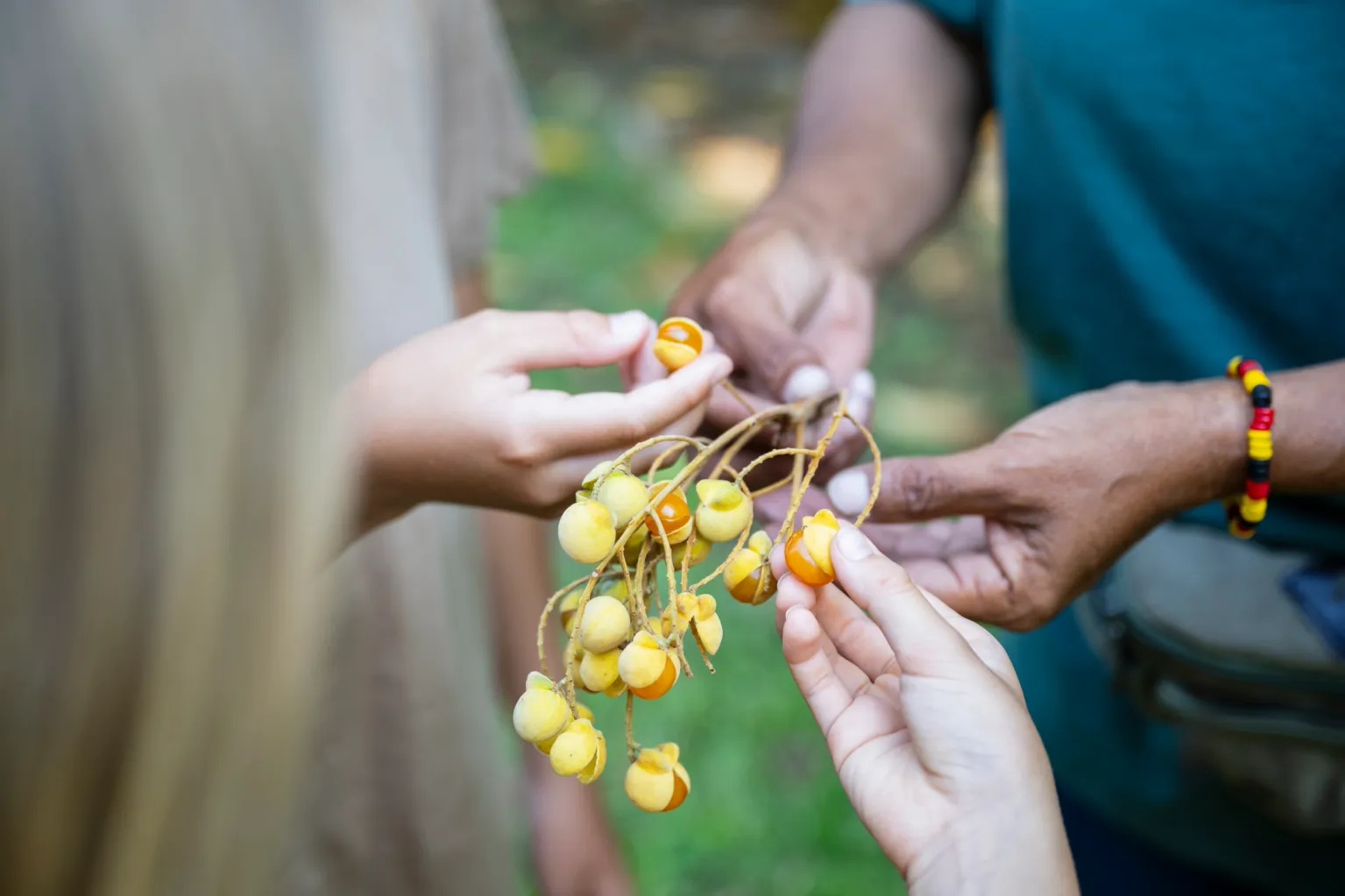
Picking, counting, sharing — one afternoon of living it, several subjects at once.
The curriculum
Learn It by Living It
A child does not learn to budget from a worksheet. They learn it by being handed a real dollar amount and a real month. So our units begin with a task a student cannot finish yet, then teach the reading, math and writing that task requires.
By the end of a project the academic standard and the life skill have been taught in the same hours — not in two separate programs competing for the day.
Real work first
Then the vocabulary
Same setting twice
Then a new one
Reflect out loud
Then write it down
Prove it unassisted
Then it counts
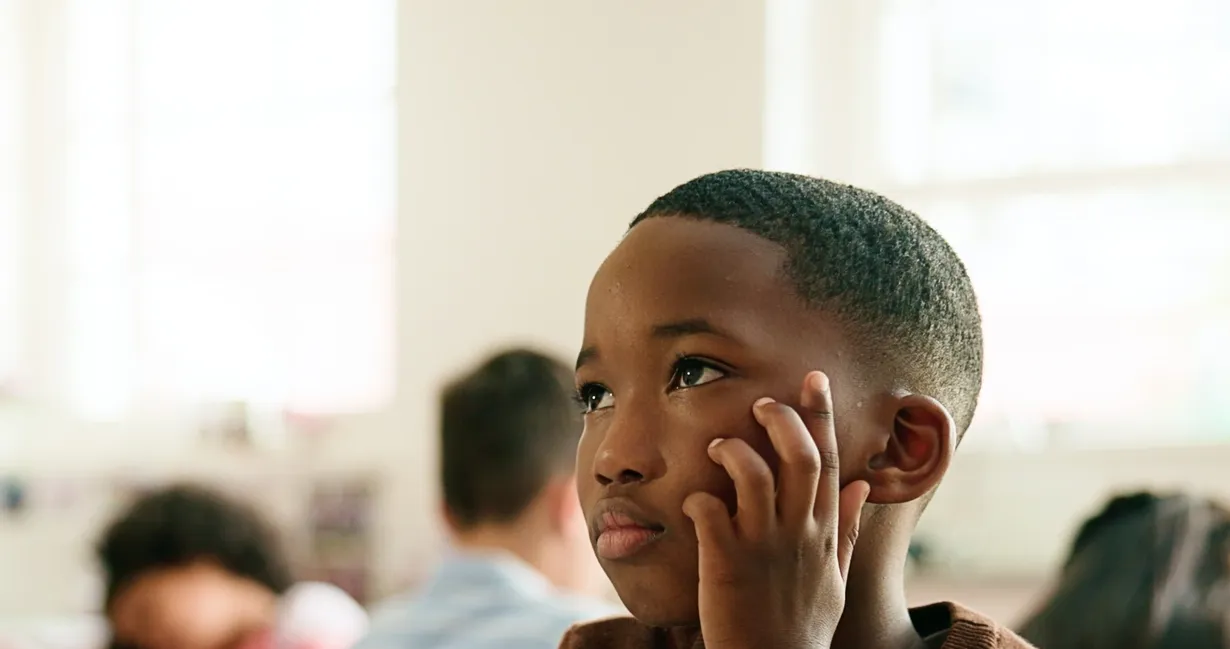
Support character education
“Good schools create curiosity and enable critical thinking in our children.”
It takes a village to build a school, and we mean that literally. Support helps us keep a learning environment where character and life skills count for as much as test scores — small classes, real materials, and a place where a child is known rather than tracked.
The guarantee
Academic and life
skills. Guaranteed.
Most schools promise a well-rounded child and hope for it. We write the promise down. A Hampton Heritage student leaves with a transcript and a demonstrated list of things they can do in a kitchen, on a budget, in a room full of people, and in their own neighborhood.
See the whole list“A skill counts when a student can use it without help. Until then, it is still being taught.”
Our standard for every guarantee on this page
- Cooks a real meal from scratchPractical
- Keeps a working budgetFinancial
- Speaks in front of a roomPersonal
- Grows and tends foodPractical
- Handles a disagreement without escalationPersonal
- Reads a paycheckFinancial
- The full list
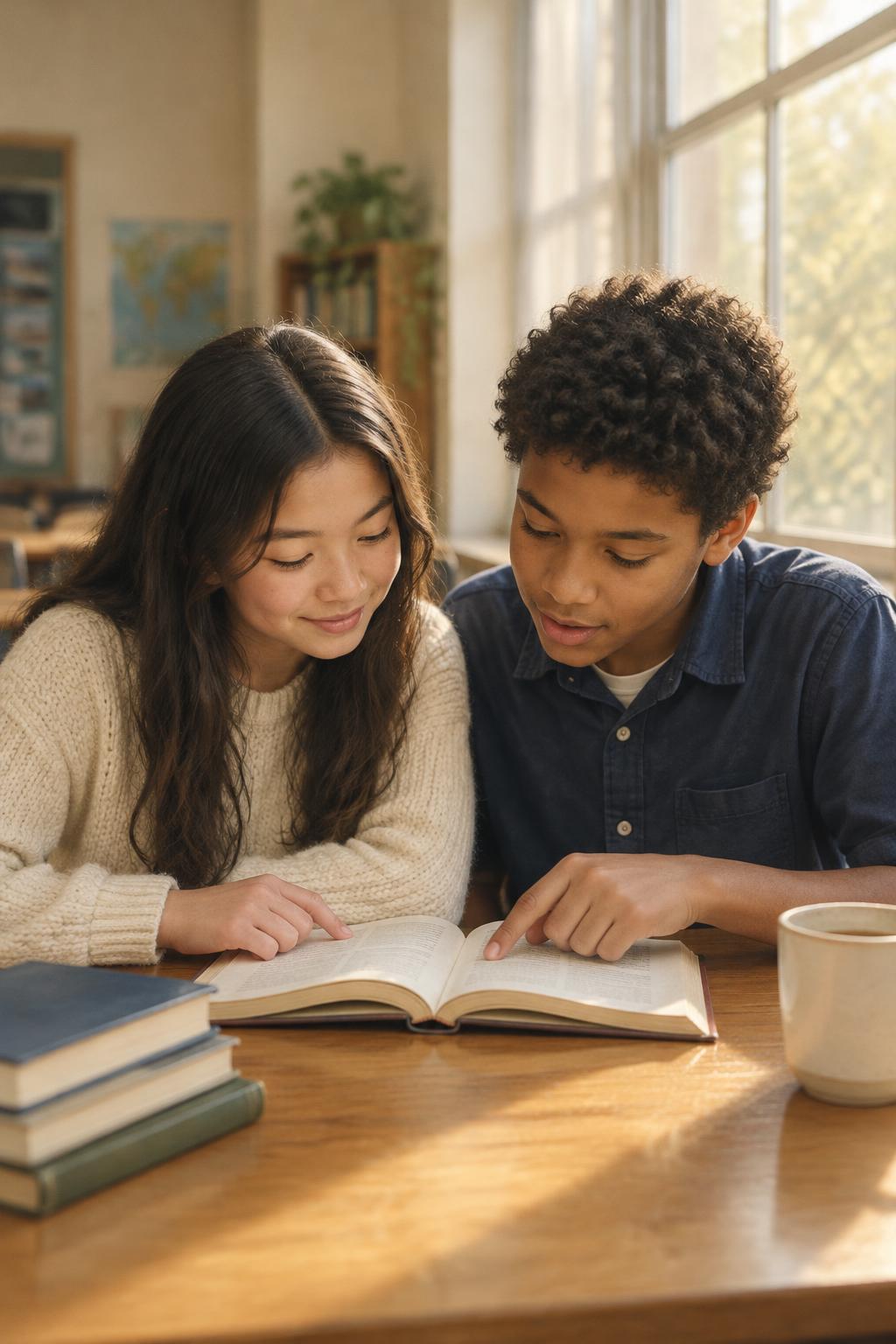
A reading conference: one student, one teacher, one book at a time.
Admissions
Middle school, grades
six through eight.
These are the years a child decides whether school is for them. A cohort of thirty to fifty means a teacher notices in September, not in a report card in November. We are enrolling now for grades 6, 7 and 8 — and we keep the cohort small on purpose.
- 01
Call or send a note
Tell us your child’s grade and what you are hoping to change.
- 02
Visit while school is in session
Sit in a classroom. Talk to a teacher. See an ordinary Tuesday.
- 03
Apply and meet the head of school
A short application, a conversation, and a place held in a small cohort.
Come and see an ordinary Tuesday.
Tours are arranged around the school day, so you see the real thing. Tell us your child’s grade and we will find a morning that works.